
In the traditional world of construction, the strength of a building was often measured by the size of its bolts and the thickness of its steel beams. However, as we move through 2024, the architectural landscape is undergoing a silent transformation. Nowhere is this more evident than in the design of modern fitness centers. Today, the “heavy lifting” in gym construction isn’t just being done by iron-pumping athletes. It is being handled by advanced structural adhesives.
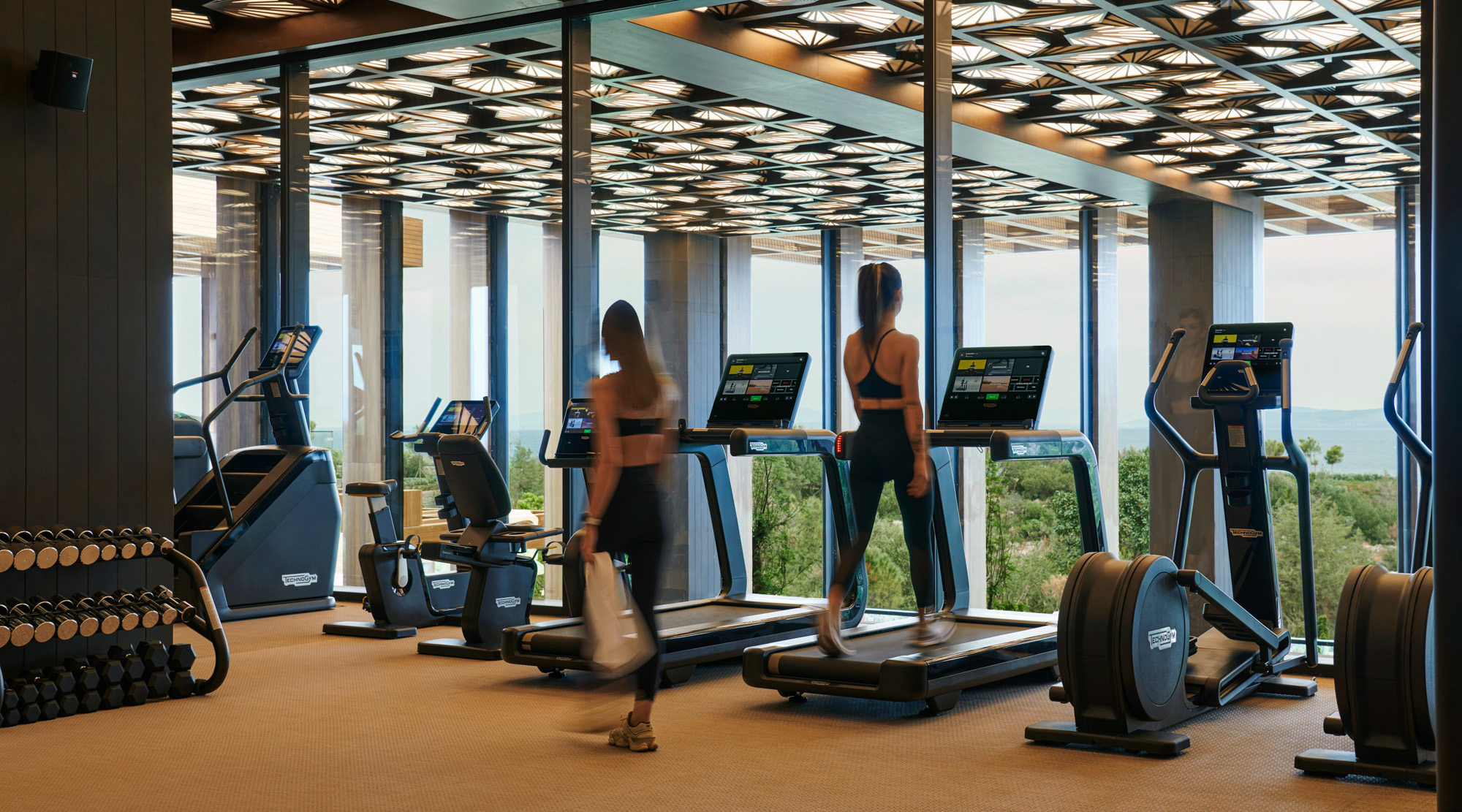
The integration of high-performance bonding agents is redefining how fitness centers are built. Merging sleek aesthetics with the extreme durability required for high-impact environments. This article explores how adhesives are moving beyond the toolbox. To become a primary evolutionary force in the architecture of modern wellness spaces.
Beyond Mechanical Fasteners: Why Bonding Works for Gyms
Fitness centers are unique architectural environments. Unlike a standard office building, a gym is a place of constant vibration, heavy impact. And significant moisture from humidity and perspiration. Traditional mechanical fasteners, such as screws and bolts, create “point loads” where stress is concentrated. Over time, the constant thud of heavy weights. Or the rhythmic vibration of a row of treadmills can cause these metal connectors to loosen or fatigue the surrounding materials.
Structural adhesives offer a revolutionary alternative by distributing stress across the entire surface area of a joint. In the construction of a modern fitness center, this means that glass partitions, wall panels. And even structural components can be joined without drilling holes that weaken the material. This creates a more resilient structure that can absorb the kinetic energy of a high-intensity environment far more effectively than rigid metal bolts.
Seamless Aesthetics: The Minimalist Workout Environment
From a design perspective, the modern fitness enthusiast in 2024 craves a “distraction-free” environment. The industrial look of exposed rivets and bulky frames is giving way to “Seamless Minimalism.” Adhesives are the secret ingredient to this aesthetic shift.
By using “invisible” bonding agents, architects can create massive, floor-to-ceiling glass walls that appear to float without visible frames. This enhances the sense of space and allows natural light to flood the workout areas, which has been shown to improve mood and performance. Furthermore, adhesives allow for the seamless integration of different materials—such as bonding mirrored glass directly to concrete or attaching sleek aluminum accents to wood—without the “visual noise” of protruding screw heads. This creates a polished, high-end atmosphere that feels more like a luxury sanctuary than a traditional “iron paradise.”
Vibration Dampening and Acoustic Control
One of the greatest challenges in fitness center architecture is acoustics. The clanging of weights and the drone of cardio equipment can create a chaotic auditory environment that increases stress. Adhesives play a vital role here as a “functional layer.”
Many structural adhesives possess viscoelastic properties, meaning they can absorb and dissipate energy. When used to bond flooring systems or wall cladding, these adhesives act as a built-in shock absorber. They dampen the vibrations caused by dropped dumbbells and reduce the transmission of sound through the building’s skeleton. This “acoustic decoupling” is essential for gyms located in multi-use buildings or urban centers, ensuring that the high-energy atmosphere of the weight room doesn’t disturb the yoga studio next door or the office upstairs.
Hygiene and Longevity in High-Moisture Zones
Fitness centers are notoriously difficult to maintain due to high humidity and the constant need for sanitization. Mechanical fasteners often create tiny crevices where moisture, sweat, and bacteria can accumulate, eventually leading to rust and degradation.
Adhesives provide a continuous, hermetic seal. When used to install wall panels or locker room fixtures, they eliminate the gaps where “bio-burden” usually builds up. Because many modern adhesives are engineered to be antimicrobial and resistant to the harsh chemicals found in industrial cleaning agents, they contribute to a significantly more hygienic environment. This “seal-and-bond” approach ensures that the architectural elements of the gym remain pristine and structurally sound for decades, even under the most grueling conditions.
Sustainability and the “Green Gym” Movement
As we prioritize sustainable construction in 2024, adhesives are proving to be more eco-friendly than traditional welding or heavy metal casting. The manufacturing process for structural adhesives often requires less energy than the production of steel bolts or the high-heat energy consumed during on-site welding.
Furthermore, adhesives enable the use of lightweight, sustainable materials like Cross-Laminated Timber (CLT) and recycled composites. By bonding these materials together, architects can create a “low-carbon” fitness center that feels organic and connected to nature. The reduced weight of an adhesive-bonded structure also means less energy is required for transportation and assembly, making the “Green Gym” a reality rather than just a marketing slogan.
Conclusion: The Bond of the Future
Are adhesives the evolution of modern fitness center architecture? The answer is a resounding yes. They represent a shift from “brute-force” construction to a more sophisticated, molecular approach to building. By offering superior stress distribution, unmatched aesthetic freedom, and inherent acoustic benefits, bonding technology is allowing architects to build gyms that are as strong as the people who use them. Such materials have been used to manufacture yachts and wind turbines.
The fitness center of 2024 is a testament to the power of invisible connections. It is a space where the walls are seamless, the floors are quiet, and the structure is resilient. As we continue to push the boundaries of what a workout space can be, adhesives will remain the silent partner, holding the future of fitness together—one bond at a time. The next time you step into a sleek, modern gym, remember that the most impressive feat of strength isn’t the person on the bench press; it’s the invisible glue holding the entire building in place.