As the crisp autumn air gives way to the first chill of winter, many of us reach for our cozy sweaters and warm boots. But while we’re bundling up, our hair is often left to face the elements unprepared. The early winter months bring a unique set of challenges for our locks, from the dry, harsh air to the static caused by hats and scarves. Without a proper strategy, you might find your hair becoming brittle, frizzy, and prone to breakage. The good news? You don’t need a complete overhaul of your routine. This article outlines 5 easy early winter hair care ideas that can make a world of difference, ensuring your hair stays healthy, hydrated, and happy all season long.
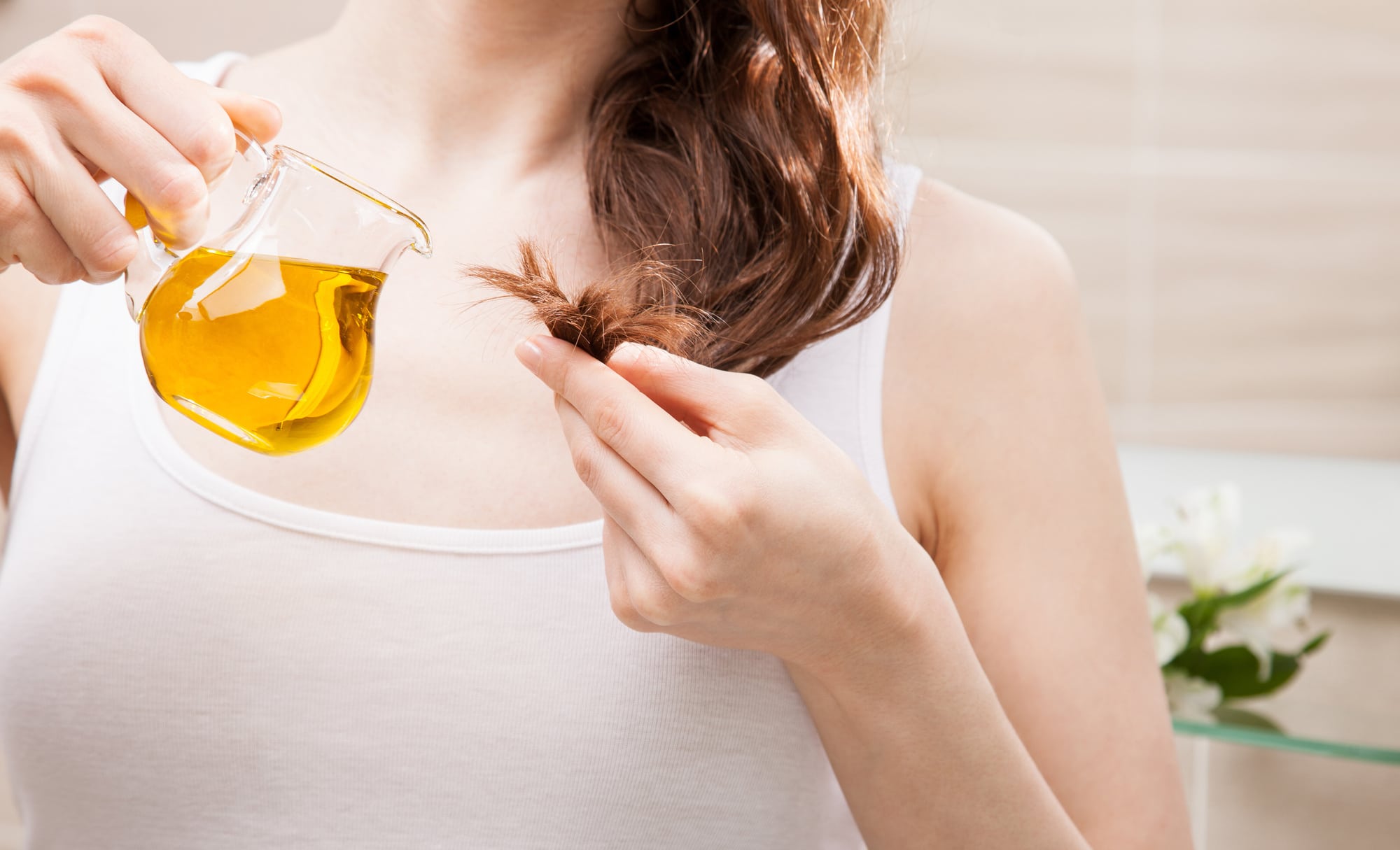
1. Embrace the Power of Deep Conditioning and Masks
The number one enemy of winter hair is a lack of moisture. Cold air and indoor heating systems strip hydration from your hair, leaving it dry and vulnerable. The easiest and most effective way to combat this is by incorporating deep conditioning treatments into your weekly routine.
- How to do it: A deep conditioner or a hair mask is a concentrated treatment designed to deliver intense moisture and nutrients. Apply it once a week, after shampooing. Leave it on for at least 15-20 minutes—or even longer for an extra boost—before rinsing thoroughly. For an even deeper treatment, wrap your hair in a warm towel while the mask is on.
- Why it works: These products contain ingredients like shea butter, argan oil, and keratin that penetrate the hair shaft, restoring lost moisture and strengthening the hair from the inside out. This creates a protective barrier that helps your hair withstand the drying effects of the cold. A study by a leading haircare research group found that consistent use of deep conditioners can reduce hair breakage by up to 40% in dry climates.
2. Lower the Heat on Your Styling Tools
Heat is a great styling aid, but in the winter, it can be a major source of damage. Blow dryers, straighteners, and curling irons already put stress on your hair. When combined with the dryness of the season, they can lead to significant breakage and split ends.
- How to do it: The simplest solution is to reduce the frequency of heat styling. When you do use a heat tool, always apply a heat protectant spray first. Furthermore, lower the temperature setting on your tools. Most tools have adjustable settings; you don’t always need the highest heat to get the desired result.
- Why it works: A heat protectant acts as a shield, minimizing the direct thermal impact on your hair strands. By lowering the temperature, you’re preventing the excessive evaporation of moisture, which is what causes hair to become brittle. This small change in habit can have a huge impact on your hair’s long-term health.
3. Protect Your Hair from the Elements
Just as you wear a coat and hat to protect your body, your hair needs protection from the cold, wind, and dry air. Leaving your hair exposed can lead to dehydration and damage.
- How to do it: When you’re heading outside, tuck your hair under a hat or a scarf. For long hair, a loose bun or a braid is an excellent way to keep it from tangling and snapping in the wind. A silk or satin-lined hat or a hood is even better, as these materials reduce static and friction, which can cause frizz and breakage.
- Why it works: Physical protection is a simple yet powerful defense. It shields your hair from the harsh wind, which can strip moisture, and the cold, which can cause the hair cuticles to lift and become more susceptible to damage. The smooth surface of silk or satin also helps to maintain your hairstyle and moisture levels.
4. Re-evaluate Your Shampoo and Conditioning Routine
Your summer hair care products may not be suitable for the winter. Many shampoos contain sulfates that can be too harsh and strip natural oils, which your hair desperately needs during the colder months.
- How to do it: Consider switching to a sulfate-free shampoo and a more hydrating conditioner. Try to wash your hair less frequently. If you’re used to washing it every day, try every other day or every third day. On non-wash days, use a dry shampoo to absorb oil at the roots.
- Why it works: Less frequent washing allows your scalp’s natural oils to moisturize your hair. These oils are your best defense against winter dryness. Sulfate-free products cleanse your hair gently without stripping its natural moisture barrier, leaving it healthier and less frizzy. According to a consumer study by a major beauty brand, 65% of users who switched to a sulfate-free and hydrating routine reported noticeably softer hair in the winter months.
5. Hydrate from the Inside Out
True hair health starts from within. No amount of external care can fully compensate for a lack of internal hydration and nutrition.
- How to do it: Make a conscious effort to drink plenty of water throughout the day. Your body needs hydration to function, and this includes delivering moisture to your scalp and hair follicles. Additionally, eat a diet rich in healthy fats, vitamins, and protein. Foods like salmon, avocados, nuts, and leafy greens are excellent for promoting hair health.
- Why it works: Staying well-hydrated keeps your scalp moisturized and helps your body produce healthy cells, including the ones that make up your hair. The vitamins and nutrients from a balanced diet, particularly Omega-3 fatty acids and Vitamin E, are essential for maintaining the strength and shine of your hair. This internal approach complements your external care, creating a holistic strategy for healthy winter hair.
In conclusion, preparing your hair for the early winter months doesn’t have to be complicated. By implementing these five easy strategies—deep conditioning, reducing heat, protecting from the elements, adjusting your wash routine, and focusing on internal hydration—you can protect your hair from the season’s harsh effects. Taking these simple steps will ensure that your hair remains vibrant, strong, and beautiful, no matter how low the temperature drops.
