For decades, surgery has been the go-to solution for a wide range of medical issues, from chronic joint pain to cosmetic enhancements. The idea of “going under the knife” has long been synonymous with effective, permanent results. However, in recent years, a revolution has been taking place in the medical world. Advancements in technology and a deeper understanding of the body’s healing processes have led to a new frontier in healthcare: non-surgical treatments. These innovative approaches offer patients less invasive, lower-risk, and often more accessible alternatives to traditional surgery.
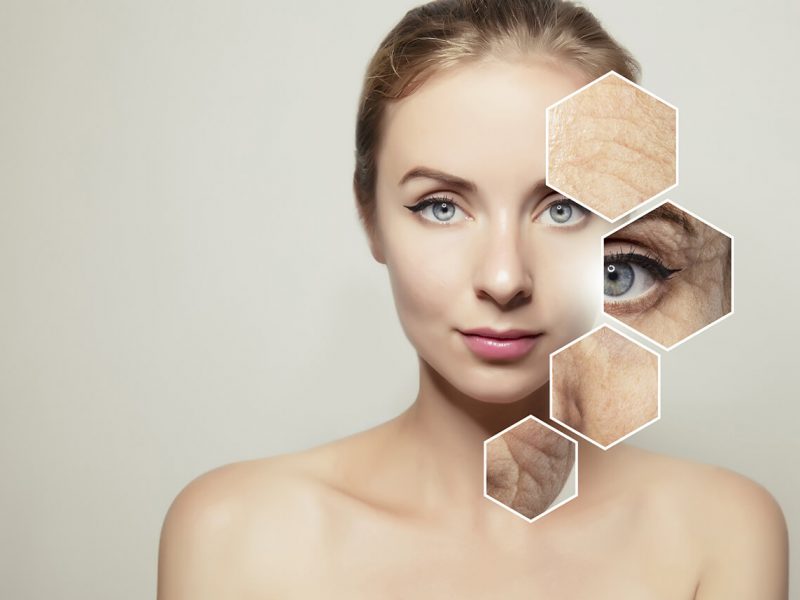
This article will explore the fascinating world of non-surgical treatments. We’ll delve into the science behind these procedures, highlight their key benefits, and provide an overview of some of the most common and effective non-surgical options available today. From orthopedics to aesthetics, the future of healing is here, and it’s happening without an incision.
The Advantages of Choosing a Non-Surgical Route
The rise in popularity of non-surgical treatments is no accident. They offer a compelling set of advantages that appeal to a broad range of patients.
- Reduced Risk and Complications: Every surgical procedure, no matter how minor, carries a risk of complications like infection, bleeding, and adverse reactions to anesthesia. Non-surgical treatments, by their very nature, bypass these risks, making them a safer option for many individuals.
- Minimal Downtime: One of the most significant benefits is the minimal to non-existent recovery period. While a surgical recovery can take weeks or even months, many non-surgical procedures allow patients to return to their daily activities immediately or within a day or two.
- Lower Cost: In many cases, non-surgical treatments are significantly more affordable than surgery, as they don’t require hospital stays, an operating room, or an anesthesiologist.
- Preservation of Natural Tissue: Surgical procedures often involve cutting or removing tissue. Non-surgical treatments, particularly in fields like orthopedics, focus on stimulating the body’s natural healing mechanisms, thereby preserving the integrity of a patient’s joints and tissues.
Non-Surgical Treatments in Orthopedics: A Pain-Free Future
For individuals suffering from chronic joint pain, non-surgical treatments are offering a new lease on life. These procedures are designed to repair and regenerate damaged tissue, reducing pain and improving mobility without the need for a major operation.
1. Platelet-Rich Plasma (PRP) Therapy
PRP therapy is a cutting-edge treatment that uses a patient’s own blood to promote healing. A small amount of blood is drawn, processed to concentrate the platelets, and then injected into the injured area. Platelets are rich in growth factors that stimulate cell regeneration and repair.
- How it Works: The concentrated platelets essentially send a powerful signal to the body to accelerate the natural healing process. It’s used to treat conditions like osteoarthritis, tendonitis, and ligament sprains.
- Data Highlight: A study published in the American Journal of Sports Medicine found that patients with knee osteoarthritis who received PRP injections reported significant reductions in pain and improvements in function compared to those who received a placebo.
2. Stem Cell Therapy
Stem cells are the body’s master cells, with the ability to develop into many different types of cells. In stem cell therapy, these cells are harvested from the patient’s own body and injected into an injured area.
- How it Works: The injected stem cells can differentiate into the type of cells needed for healing—such as cartilage, bone, or muscle tissue—and reduce inflammation. This makes it a promising treatment for chronic joint pain and degenerative conditions.
Non-Surgical Treatments in Aesthetics: The Look of Youthful Confidence
The cosmetic industry has been a hotbed of non-surgical innovation, offering effective and natural-looking alternatives to a facelift or other invasive procedures.
1. Dermal Fillers and Neuromodulators (Botox)
These treatments are a staple of modern aesthetics. Dermal fillers, typically made of hyaluronic acid, are injected to restore lost volume, smooth out wrinkles, and contour the face. Neuromodulators like Botox work by temporarily relaxing the muscles that cause fine lines and wrinkles.
- How it Works: These are quick, in-office procedures with immediate results and virtually no downtime. They are a great way to achieve a refreshed, youthful look without the risks and expense of surgery.
2. Laser Skin Resurfacing
Laser treatments use focused light energy to improve skin texture, tone, and appearance. They can target a wide range of issues, from sun damage and age spots to fine lines and acne scars.
- How it Works: The laser creates controlled micro-injuries to the skin, stimulating the body’s natural healing response and promoting the production of new collagen and elastin. This leads to smoother, firmer, and more radiant skin.
Conclusion
The era of surgery as the only viable option is coming to an end. Non-surgical treatments are proving to be a powerful and effective alternative, offering a safer and more convenient path to healing and wellness. Whether you are dealing with chronic pain or looking to enhance your appearance, there are now a plethora of innovative, non-invasive options to consider. By prioritizing treatments that work with your body, not against it, you can achieve remarkable results while preserving your health and vitality. The future of medicine is here, and it’s a future with fewer scalpels and more science.