In a world saturated with sugary sodas, artificial juices, and colorful sports drinks, navigating the beverage landscape for children can be a real challenge for parents. While it’s easy to focus on what kids eat, what they drink plays an equally critical role in their growth, development, energy levels, and long-term health. Choosing the right beverages can support hydration, provide essential nutrients, and help prevent issues like dental cavities, obesity, and even type 2 diabetes.
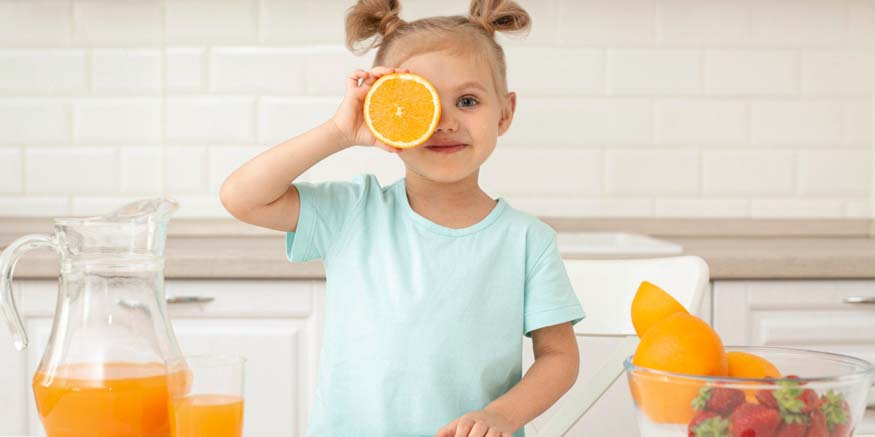
This article will serve as a comprehensive guide to wholesome drinks for children, highlighting the best choices, explaining why they matter, and offering practical tips to encourage healthy hydration habits from an early age. Let’s make every sip count towards a healthier, happier child.
The Importance of Healthy Hydration for Growing Bodies
Children are often more susceptible to dehydration than adults, partly because they have a higher surface area to body mass ratio and are often highly active. Proper hydration is vital for:
- Brain Function: Water makes up a significant portion of the brain. Adequate hydration supports concentration, memory, and overall cognitive performance. Dehydration can lead to fatigue and reduced focus.
- Body Temperature Regulation: Especially during play or in warm weather, water helps regulate body temperature, preventing overheating.
- Nutrient Transport: Water acts as a vehicle, transporting essential nutrients to cells and carrying waste products away.
- Joint Lubrication: It helps keep joints moving smoothly.
- Digestive Health: Fiber needs water to work effectively, preventing constipation.
- Energy Levels: Dehydration can lead to fatigue and sluggishness. Well-hydrated children tend to have more sustained energy for play and learning.
The Top Wholesome Drink Choices for Children
When it comes to healthy beverages for kids, simplicity and natural goodness are key.
1. Water: The Undisputed Champion
- Why it’s essential: Water is the most fundamental and perfect drink for children. It’s calorie-free, sugar-free, and essential for every bodily function. It keeps them hydrated without any negative side effects.
- Benefits: Supports all bodily processes, prevents dehydration, and promotes overall health.
- Tips for Encouraging Water Intake:
- Always Available: Keep water easily accessible in a pitcher or a fun, reusable water bottle.
- Lead by Example: Let your child see you drinking water throughout the day.
- Make it Fun: Add slices of fruit (lemon, lime, berries, cucumber) for a subtle flavor twist without added sugar.
- Creative Presentation: Use fun straws, colorful cups, or ice cubes in interesting shapes.
2. Milk (Dairy or Fortified Plant-Based)
- Why it’s essential: An excellent source of calcium for strong bones and teeth, Vitamin D for calcium absorption and immune support, and protein for growth and development.
- Dairy Milk: Whole milk is often recommended for children under two for healthy fat intake, transitioning to low-fat or skim milk after that, based on dietary needs and pediatrician recommendations.
- Fortified Plant-Based Milks: For children with dairy allergies or intolerances, fortified soy, almond, oat, or pea milks can be good alternatives.
- Key Point: Always choose unsweetened and fortified versions to ensure they provide adequate calcium and Vitamin D without added sugars. Check labels carefully, as many flavored plant milks are loaded with sugar.
- Serving Size: Aim for 2-3 servings a day, depending on age and other calcium sources in their diet.
3. 100% Fruit Juice (in Moderation)
- Why it’s included (with caveats): While it contains natural sugars, 100% fruit juice provides vitamins (especially Vitamin C) and some minerals. However, it lacks the fiber of whole fruit, leading to quicker sugar absorption.
- Benefits: Provides a quick vitamin boost.
- Important Considerations:
- Limit Portions: The American Academy of Pediatrics recommends limiting 100% fruit juice intake to:
- 1-3 years: Max 4 ounces (about 1/2 cup) per day
- 4-6 years: Max 4-6 ounces (about 1/2 to 3/4 cup) per day
- 7-18 years: Max 8 ounces (about 1 cup) per day
- Dilute It: Diluting juice with water (e.g., 50/50 ratio) can reduce sugar content per serving.
- Avoid “Juice Drinks” or “Fruit Cocktails”: These are typically high in added sugar and provide very little actual fruit juice. Always look for “100% fruit juice” on the label.
- Prioritize Whole Fruit: Encourage eating whole fruits over drinking juice, as whole fruits provide beneficial fiber.
- Limit Portions: The American Academy of Pediatrics recommends limiting 100% fruit juice intake to:
Drinks to Limit or Avoid Entirely
Just as important as knowing what to offer is knowing what to restrict or eliminate. These drinks often provide “empty calories” and can negatively impact children’s health.
1. Sugary Drinks (Soda, Sports Drinks, Flavored Waters, Sweet Tea)
- Why to avoid: These are loaded with added sugars, offering little to no nutritional value.
- Health Risks:
- Dental Cavities: Sugar feeds bacteria in the mouth, leading to tooth decay.
- Weight Gain and Obesity: High calorie content from sugar contributes to unhealthy weight gain.
- Increased Risk of Type 2 Diabetes: Regular consumption can contribute to insulin resistance over time.
- Nutrient Displacement: Filling up on sugary drinks can reduce appetite for nutritious foods.
- Data Point: A study published in Pediatrics found that high consumption of sugary drinks in childhood is associated with adverse health outcomes later in life, including increased risk of obesity and cardiometabolic disease.
2. Caffeine-Containing Drinks (Coffee, Energy Drinks, Some Teas)
- Why to avoid: Children are more sensitive to the effects of caffeine.
- Health Risks: Can cause jitteriness, anxiety, sleep disturbances, increased heart rate, and may interfere with calcium absorption. Energy drinks are particularly concerning due to extremely high caffeine levels and other stimulants.
- Rule of Thumb: Generally, children and adolescents should avoid caffeine.
Practical Strategies for Parents
Encouraging healthy drinking habits is an ongoing process that requires consistency and creativity.
- Start Early: Introduce water as the primary beverage from infancy (after 6 months, alongside solids) and limit exposure to sugary drinks.
- Be a Role Model: Children mimic their parents. If they see you regularly reaching for water, they are more likely to do the same.
- Educate and Explain: Help children understand why certain drinks are good for their bodies and why others are not, using age-appropriate language.
- Make Healthy Choices Accessible: Always have plain water, unsweetened milk, or small portions of 100% juice readily available. Keep sugary drinks out of sight and out of mind.
- Don’t Use Drinks as Rewards: Avoid using soda or juice as a reward for good behavior, as this can create an unhealthy association.
- Get Creative with Water: Infused water (with fruit slices), homemade unsweetened iced tea (for older children/adolescents, caffeine-free options like herbal tea), or even homemade fruit popsicles made with pure fruit and water can be great alternatives.
Conclusion
The drinks children consume are just as vital as the food they eat in shaping their growth, development, and long-term health. By prioritizing water as the primary beverage, offering milk (dairy or fortified unsweetened plant-based) for essential nutrients, and limiting 100% fruit juice to small, controlled portions, parents can lay a strong foundation for healthy hydration. Steering clear of sugary drinks and caffeine-laden beverages is crucial for preventing a host of health issues. By making smart choices and leading by example, we empower our children to sip smart, stay hydrated, and ultimately, grow into healthier, more vibrant individuals.