Stop Making New Year Resolutions Without a Health and Life Foundation
Every January, millions of people embark on a ritual of self-improvement. We draft lists of ambitious goals: earning more money, traveling to exotic locations, learning new languages, or finally starting that side business. These New Year resolutions are often born out of a genuine desire for growth, yet statistics suggest that the vast majority of them are abandoned by the second week of February.
The reason for this widespread failure is rarely a lack of willpower. Instead, it is a structural flaw in the resolution itself. We focus on the “outer” achievements—the trophies and the bank balances—while completely neglecting the “inner” infrastructure required to sustain them. If you do not have a foundational resolution for your health and the fundamental quality of your life, your other goals are built on sand. It is time to stop making traditional New Year resolutions if you aren’t willing to prioritize your biological … Read more
The Art of the Plate: A Smart Guide to Building a Balanced Meal
In a world filled with endless diet fads, conflicting nutritional advice, and the constant temptation of processed foods, the simple act of eating can feel overwhelmingly complex. We’re told to count calories, track macros, and restrict entire food groups, often leading to a frustrating cycle of short-term success and long-term burnout. But what if the secret to a healthy and sustainable diet wasn’t about what you eliminate, but about what you include? The answer lies in a straightforward, powerful concept: Build Your Plate. This strategy shifts the focus from restriction to balance, empowering you to create nutritious and satisfying meals without the need for complicated calculations or rigid rules.

This article will serve as your comprehensive guide to the “Build Your Plate” method. We’ll break down this simple yet effective approach, explore the science behind why it works, and provide actionable tips for creating delicious, balanced meals that fuel … Read more
Beyond the Scale: How Weight Management is About Satiety, Not Starvation
In the vast and often confusing world of diet and fitness, the concept of weight management is frequently associated with sacrifice and hunger. For decades, the dominant narrative has been about cutting calories and enduring a feeling of constant deprivation. This “less is more” approach, while seemingly logical, often leads to a frustrating cycle of short-term success followed by a swift rebound. The truth is, effective and sustainable weight management has very little to do with starvation and everything to do with satiety—the feeling of fullness and satisfaction after eating. By shifting our focus from restriction to nourishment, we can unlock a more effective and enjoyable path to a healthy weight.
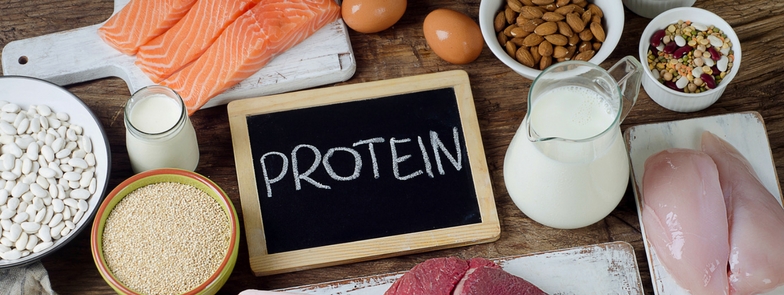
This article will explore the science of satiety and its critical role in weight management. We’ll delve into the key components of a diet that promotes fullness, provide data-backed insights on why this approach works, and offer actionable … Read more
Beyond the Box: Unlocking the Powerful Benefits of Real Food
In a world filled with packaged, processed, and lab-created foods, the concept of real food has become a revolutionary idea. Real food is a simple and elegant concept: it’s food in its most natural state, without a list of synthetic ingredients, added sugars, or chemical preservatives. It’s the apple picked from a tree, the fresh fish from the sea, and the leafy greens harvested from the garden. While the convenience of a pre-packaged meal is tempting, a growing body of scientific evidence is proving that a return to real food is one of the most powerful and effective ways to boost your health, manage your weight, and add years to your life.

This article will delve into the profound benefits of choosing real food. We’ll explore how a diet focused on whole, unprocessed ingredients can transform your body from the inside out, providing a foundation for lasting wellness. We’ll look … Read more
Is Binance Safe? A Deep Dive into Security and Trust in the World’s Largest Crypto Exchange
In the volatile and fast-paced world of cryptocurrency, choosing the right platform to buy, sell. And hold your digital assets is a critical decision. For millions of traders globally, that platform is Binance. As the world’s largest cryptocurrency exchange by trading volume, Binance’s name is synonymous with the crypto market itself. However, with great size comes great scrutiny. And a question that frequently arises for both new and experienced users is: “Is Binance safe?”
cryptocurrency exchange is binance safe
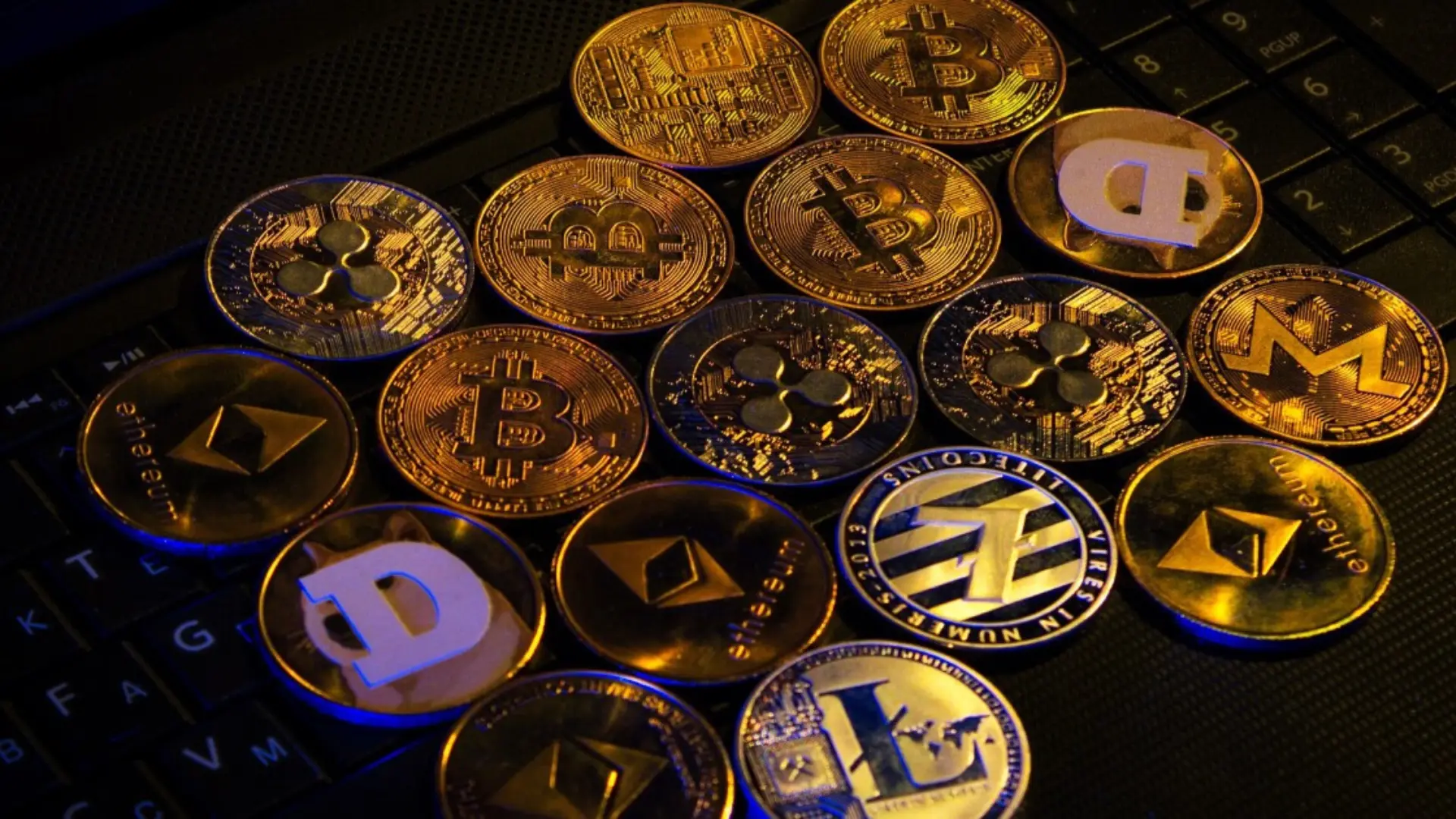
This article will provide a comprehensive and balanced look at Binance’s security measures. Its regulatory challenges, and the best practices users should adopt to protect their funds. Understanding these factors is essential for anyone considering using the platform. As while exchanges have their own security protocols. The ultimate safety of your crypto often comes down to individual user responsibility. Buying and promoting cryptocurrencies can be very demanding so it is essential … Read more