
Who doesn’t love pizza? Crispy thin bread sprinkled with toppings with tomato sauce or melted cheese is very delicious and addictive. However, consumption of pizza can derail your diet. Pizza contains lots of carbohydrates, fat and salt so that the calories are high. How many calories in pizza exactly?
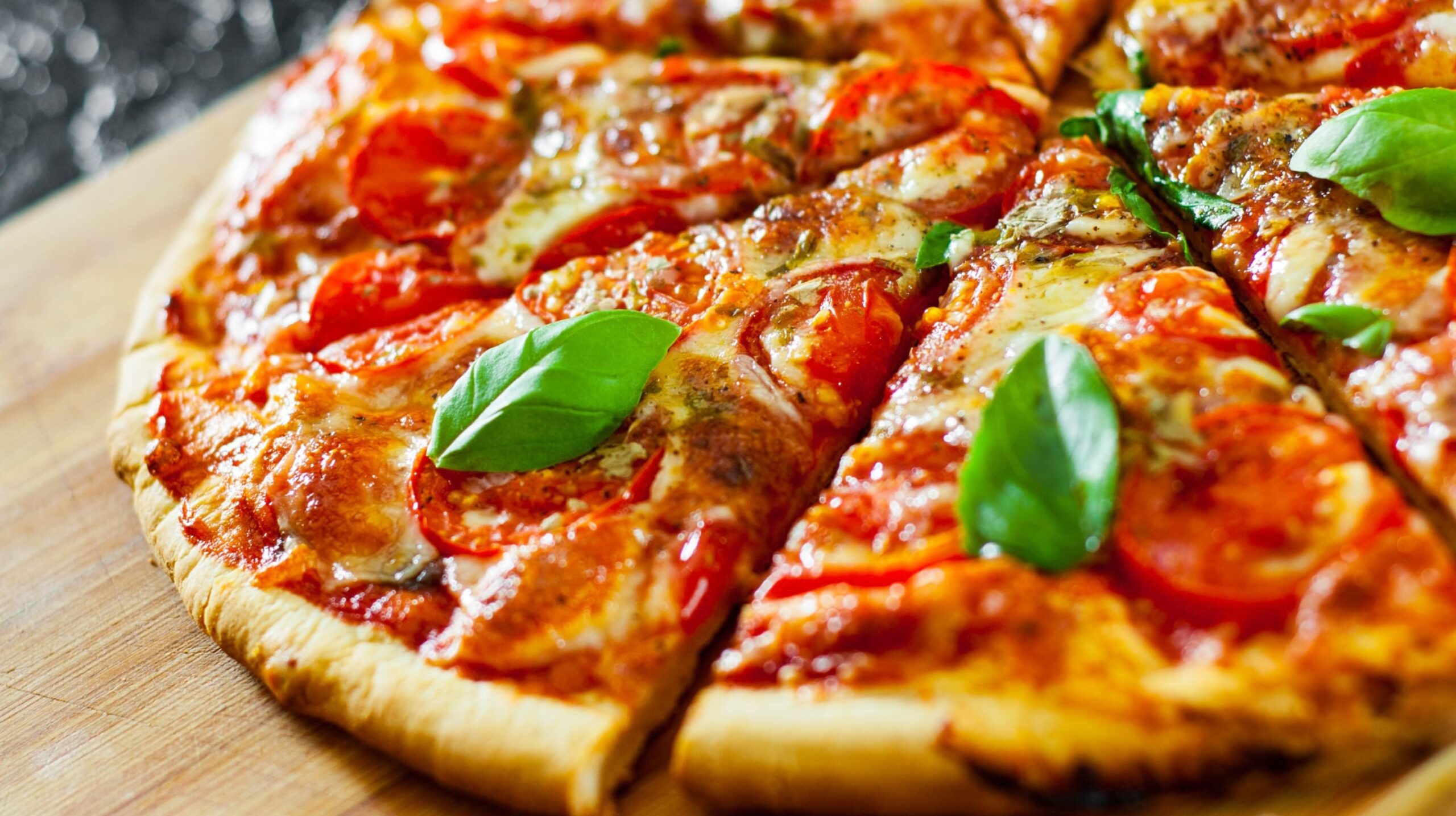
Different types of pizza calories
Pizza calories can vary, depending on the type of topping, the size, and the number of slices (slices) consumed in one meal.
Here are the calories for 1 slice of pizza or cut from various types of toppings.
Cheese pizza: 237 kcal.
Meat pizza: 360 kcal
Tuna pizza: 250 kcal.
Pepperoni pizza: 298 kcal.
Meat and vegetable pizza: 276 kcal.
If you eat 2 slices of delicious pizza, the calorie intake you get is twice the amount above. The calories of 2 slices of tuna pizza are 500 kcal, while the cheese pizza is 474 kcal.
Meanwhile, here are the pizza calories in a medium-sized pan.
Cheese pizza: 2,236 kcal.
Meat pizza: 2,477 kcal.
Tuna pizza: 2,375 kcal.
Pepperoni pizza: 2,647 kcal
Meat and vegetable pizza: 2,583 kcal.
Pizza is classified as an empty calorie food because it is high in calories but not rich in nutrients. Most of the content of this typical Italian food is composed of saturated fat and flour.
Is pizza good for a diet?
Pizza is a high-calorie and low-nutrient food, so you shouldn’t eat it while on a diet to lose weight.
Actually, you can just eat pizza while on a diet, but you need to limit it a lot, a maximum of 1-2 slices.
One slice of pizza is equivalent to 13.5 – 20.5% of all daily calorie needs while on a diet, which is 1,750 kcal for women and 2,150 kcal for men.
It’s best to eat pizza for breakfast, lunch, or dinner, not a snack. The reason is, the total calories of 1-2 slices of pizza are equivalent to one heavy meal.
Eating more than 2 slices of pizza can increase your calorie intake and make you gain weight.
The rule of limiting food intake is according to the principle of a calorie deficit. Caloric intake from food must be less than the calories burned for physical activity.
For this reason, the diet for the diet must also be accompanied by regular exercise and an active lifestyle.
The safe way to eat pizza
Pizza calories are high because they are rich in saturated fat and white flour. Even so, you can follow the following healthy tips for eating pizza so that your calorie intake is not excessive.
- Choose a vegetable topping
Pizzas that use mozzarella cheese contain saturated fat and are high in calories.
For something low in calories, you can choose a vegan pizza topped with vegetables instead of extra cheese. So, you can eat cheese while on a normal diet.
Vegetables are rich in vitamins, minerals and fiber which are low in calories. Fiber helps keep you full longer, so your delicious calorie intake is more controlled.
- Choose the type of thin crust
Thin crust is a type of pizza that is crispy and thin. This means less flour is used. Wheat is rich in starch which is classified as carbohydrates.
In 1 gram, carbohydrate calories are 4 kcal. The more flour, the more carbohydrates, the higher the calorie pizza.
In addition, consuming too many types of white flour also makes blood sugar spike quickly and can be dangerous if consumed too much at one time.
- Reduce the use of sauce
Dipping chili or tomato sauce can indeed add to the taste of pizza. However, sauces are high in sugar and salt so they can increase your calorie intake. It’s best to use less sauce when eating pizza.
Pizza calories are relatively high. For that, consume it as a heavy meal if you consume more than 1 slice.
You can try a healthy pizza recipe at home so you can adjust the composition of the base ingredients and delicious toppings.