Dental implants have revolutionized restorative dentistry, offering a durable and aesthetically pleasing solution for missing teeth. While undeniably effective, they come with a significant financial cost, require surgical procedures, and entail a recovery period. What if there was a simple, everyday habit that could dramatically reduce the likelihood of needing these complex interventions in the first place? The good news is, there is: routine tooth brushing.
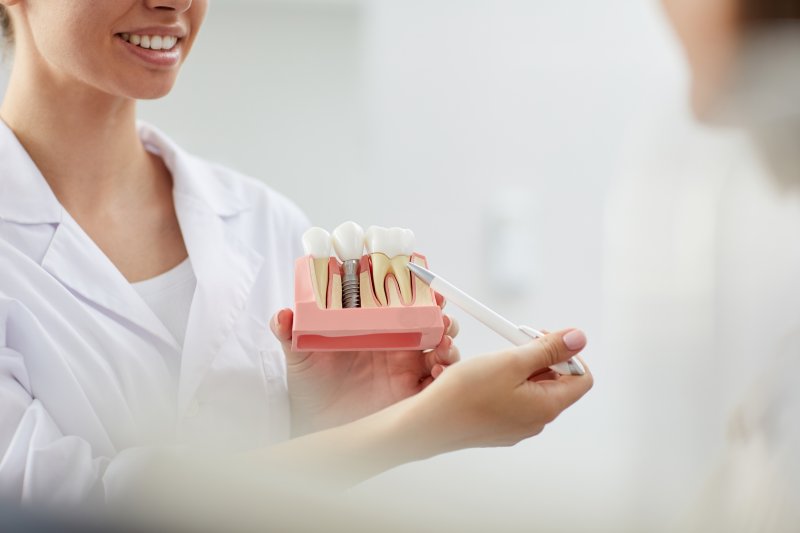
In an era where advanced dental procedures are readily available, it’s easy to overlook the fundamental importance of basic oral hygiene. Yet, the consistent and correct practice of brushing your teeth is the single most powerful tool you possess in preventing the very issues that often lead to tooth loss and, consequently, the need for dental implants. This article will delve into how this seemingly mundane act serves as a robust defense against common oral diseases, supported by scientific understanding and practical advice.
The Cascade to Tooth Loss: Understanding the Enemy
To appreciate the protective power of brushing, we must first understand the primary culprits behind tooth loss: tooth decay (dental caries) and gum disease (periodontal disease).
Dental Caries: The Silent Destroyer
Dental caries, commonly known as cavities, is an infectious disease caused by specific types of bacteria in your mouth. These bacteria feed on sugars from the foods and drinks you consume, producing acids as a byproduct. These acids then erode the hard outer layer of your teeth, the enamel, leading to the formation of holes or cavities.
- Initial Stages: In its early stages, a cavity might be painless and barely noticeable. Regular brushing helps remove plaque – a sticky film of bacteria – preventing acid attacks.
- Progression: If left unaddressed, the decay progresses deeper into the tooth, affecting the dentin and eventually the pulp (containing nerves and blood vessels). This can lead to severe pain, infection, and ultimately, the need for root canal treatment or even extraction. A missing tooth due to decay is a direct pathway to considering a dental implant.
Periodontal Disease: The Foundation Under Attack
Periodontal disease is an inflammatory condition affecting the tissues surrounding and supporting your teeth. It’s also primarily caused by plaque buildup.
- Gingivitis: The mildest form, gingivitis, involves inflammation of the gums, making them red, swollen, and prone to bleeding. This stage is reversible with good oral hygiene.
- Periodontitis: If gingivitis is left untreated, it can advance to periodontitis. Here, the inflammation spreads below the gum line, leading to the destruction of the bone and ligaments that hold your teeth in place. As the bone recedes, teeth become loose and may eventually fall out or require extraction. This is a very common reason for needing dental implants.
Key Insight: Both tooth decay and gum disease are preventable. And the cornerstone of their prevention lies in effective plaque removal, which is precisely what routine brushing achieves.
How Brushing Acts as Your Primary Defense
Brushing your teeth twice a day for two minutes with a fluoride toothpaste is not just a recommendation; it’s a critical health habit. Here’s how it actively works to prevent tooth loss:
- Plaque Removal: The bristles of your toothbrush mechanically remove plaque from tooth surfaces and along the gum line. This disrupts the bacterial colonies, preventing them from producing harmful acids and toxins.
- Fluoride Delivery: Most toothpastes contain fluoride, a naturally occurring mineral that strengthens tooth enamel, making it more resistant to acid attacks. It can also help remineralize areas of early decay, effectively reversing the damage.
- Stimulates Gums: Gentle brushing along the gum line can stimulate gum tissue, promoting healthy blood flow and reducing inflammation.
- Freshens Breath: While a secondary benefit, removing food particles and bacteria also significantly contributes to fresher breath.
The Data Speaks: Connecting Brushing Habits to Implant Rates
While direct global statistics correlating routine brushing habits to dental implant rates are complex to isolate due to various confounding factors (socioeconomic status, access to dental care, diet, genetics, etc.), the indirect evidence is overwhelmingly compelling.
- Prevalence of Oral Diseases: Studies consistently show a high global prevalence of both dental caries and periodontal disease, particularly in populations with limited access to oral hygiene education and products. For instance, the World Health Organization (WHO) highlights that severe periodontal diseases affect 10-15% of adults worldwide, a leading cause of tooth loss.
- Risk Factors for Tooth Loss: The primary modifiable risk factors for tooth loss are poor oral hygiene, high sugar intake, and smoking. Addressing the “poor oral hygiene” component directly impacts the need for implants.
- Economic Burden: The global economic burden of dental diseases is substantial. Preventative measures, including routine brushing, are far more cost-effective than restorative treatments like implants. A single dental implant can cost anywhere from $3,000 to $6,000 or more per tooth in many Western countries, excluding additional procedures like bone grafts. Compare this to the relatively minimal cost of toothbrushes and toothpaste over a lifetime.
Example: A 2017 study published in the Journal of Dental Research found that individuals with good oral hygiene practices had significantly lower rates of tooth loss over time compared to those with poor hygiene. While not directly measuring implant rates, tooth loss is the direct precursor to implant consideration.
Beyond Brushing: A Holistic Approach to Prevention
While brushing is paramount, it’s part of a larger ecosystem of oral health:
- Flossing: Brushing alone cannot reach between teeth or below the gum line effectively. Daily flossing is crucial for removing plaque and food particles from these inaccessible areas.
- Balanced Diet: Limiting sugary and acidic foods and drinks reduces the fuel for acid-producing bacteria.
- Regular Dental Check-ups: Professional cleanings remove hardened plaque (tartar) that cannot be removed by brushing, and dentists can identify and address issues early before they escalate.
- Avoid Tobacco: Smoking and other tobacco products significantly increase the risk and severity of gum disease.
Optimizing Your Brushing Technique for Maximum Impact
It’s not just about brushing; it’s about brushing effectively.
- Choose the Right Tools: Use a soft-bristled toothbrush (manual or electric) and fluoride toothpaste. Electric toothbrushes, especially those with oscillating-rotating or sonic technology, can be more effective for some individuals.
- Proper Technique: Hold your toothbrush at a 45-degree angle to your gums. Use gentle, short strokes, cleaning all surfaces of every tooth – outer, inner, and chewing surfaces. Don’t forget your tongue to remove bacteria and freshen breath.
- Time it Right: Brush for a full two minutes, twice a day. Consider using a timer or an electric toothbrush with a built-in timer.
- Replace Your Brush: Change your toothbrush every 3-4 months, or sooner if the bristles are frayed.
Conclusion: Invest in Prevention, Reap the Rewards
Dental implants are remarkable solutions for tooth replacement, but the ideal scenario is never to need them. The prevalence of dental implants can be significantly reduced, not by groundbreaking new technologies, but by a consistent commitment to fundamental oral hygiene.
By diligently brushing your teeth twice a day with fluoride toothpaste, coupled with daily flossing and regular dental check-ups, you are actively preventing the very diseases that lead to tooth loss. This simple, affordable, and easily accessible habit empowers you to maintain your natural smile, avoid complex surgical procedures, and save significant financial resources in the long run. Embrace the power of prevention – your natural teeth will thank you for it.
