
Hair loss is a condition that affects millions of people worldwide, regardless of age or gender. For many, the sight of a widening part or a receding hairline can be a source of significant stress, anxiety, and a blow to self-confidence. While balding and thinning hair are often perceived as an inevitable part of aging, a deeper understanding of the causes and the wide range of available treatments can empower you to take control of the situation.
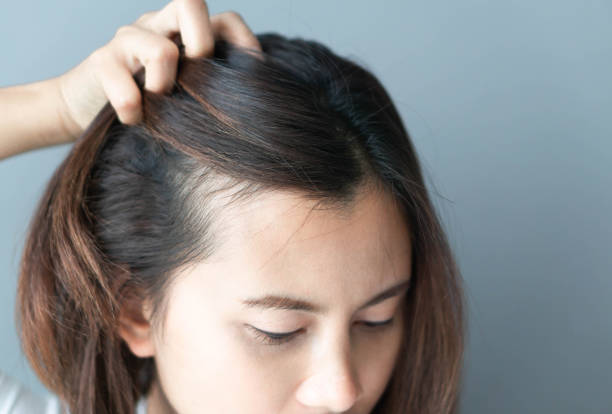
This article will serve as your definitive guide to balding and thinning hair. We’ll explore the primary reasons behind hair loss, from genetics to lifestyle factors, and provide a clear overview of the most effective and trending solutions available today. Our goal is to replace frustration with knowledge, offering hope and practical steps toward hair restoration.
The Science of Hair Loss: Why It Happens
To effectively address hair loss, it’s crucial to understand its root causes. The mechanisms behind balding and thinning hair are complex and can be attributed to several factors.
1. Genetics: Androgenetic Alopecia
The most common cause of hair loss is a hereditary condition known as androgenetic alopecia. This is what’s commonly referred to as male-pattern baldness and female-pattern baldness.
- In Men: It typically presents as a receding hairline and a gradual thinning on the crown of the head. It’s caused by a genetic sensitivity to dihydrotestosterone (DHT), a byproduct of testosterone. DHT shrinks hair follicles, shortening the hair’s growth cycle until they stop producing hair altogether.
- In Women: It presents as a general thinning of the hair all over the scalp, though the hairline typically remains intact. Hormonal fluctuations, especially around menopause, can play a significant role.
If hair loss runs in your family, you’re at a higher risk of developing it yourself.
2. Hormonal Changes and Medical Conditions
Hormonal shifts, aside from those related to genetics, can also lead to hair loss. Conditions such as:
- Pregnancy and Childbirth: The hormonal changes can cause a temporary shedding known as telogen effluvium.
- Thyroid Problems: Both an overactive and underactive thyroid can affect hair growth.
- Polycystic Ovary Syndrome (PCOS): This condition can lead to excess androgen production, causing thinning hair.
Additionally, certain medical conditions, like alopecia areata (an autoimmune disorder) or scalp infections, can be a direct cause of hair loss.
3. Lifestyle and Environmental Factors
While genetics are a major player, your daily habits and environment also have a significant impact on hair health.
- Stress: High levels of chronic stress can push hair follicles into a resting phase prematurely, leading to a noticeable shedding. This is another form of telogen effluvium.
- Nutrition: A lack of essential nutrients, particularly iron, protein, zinc, and biotin, can impair hair growth. A diet rich in these nutrients is crucial for a healthy scalp and strong hair.
- Aggressive Hair Care: Tight hairstyles (ponytails, braids), excessive heat styling, and harsh chemical treatments can cause traction alopecia, where the hair follicles are physically damaged.
Trending Solutions: From Topical Treatments to Advanced Procedures
The good news is that the field of hair restoration has evolved dramatically. Today, there are numerous effective options, ranging from simple lifestyle changes to cutting-edge medical treatments.
1. Topical and Oral Medications
These are often the first line of defense and have a proven track record of success.
- Minoxidil (Rogaine): This over-the-counter topical treatment is applied directly to the scalp. It is believed to work by widening blood vessels and increasing blood flow to the follicles, which stimulates hair growth. It is effective for both men and women.
- Finasteride (Propecia): An oral medication available by prescription for men. It works by blocking the production of DHT, thereby preventing follicle miniaturization. It is highly effective in slowing down hair loss and promoting regrowth.
2. Cutting-Edge Regenerative Therapies
For those looking for a more advanced solution, regenerative therapies are gaining significant traction.
- Platelet-Rich Plasma (PRP) Therapy: This procedure involves drawing a small amount of the patient’s blood, processing it to concentrate the platelets (which are rich in growth factors), and then injecting the PRP into the scalp. These growth factors stimulate the hair follicles, extending the growth phase and increasing hair density.
- Exosome Therapy: This is a newer, highly promising treatment. Exosomes are tiny vesicles that are secreted by cells and contain powerful growth factors. When injected into the scalp, they can rejuvenate dormant hair follicles and stimulate new hair growth.
3. Surgical Hair Restoration
For those with more advanced hair loss, surgical options can provide a permanent and natural-looking solution.
- Follicular Unit Transplantation (FUT): A strip of skin containing healthy hair follicles is surgically removed from the back of the head (the donor area) and dissected into individual grafts. These grafts are then transplanted into the balding areas.
- Follicular Unit Excision (FUE): This is a more modern and less invasive technique. Individual follicular units are extracted directly from the donor area using a small punch tool and then transplanted one by one. This method results in less scarring and a faster recovery time.
Taking Action: A Mindful Approach to Hair Restoration
While the sheer number of options can be overwhelming, the most important step is to act early. The earlier you address hair loss, the better your chances of a successful outcome.
Your Action Plan:
- Consult a Professional: Schedule an appointment with a dermatologist or a hair restoration specialist. They can accurately diagnose the cause of your hair loss and recommend a personalized treatment plan.
- Be Patient: Hair growth is a slow process. It can take several months to see noticeable results from medications or regenerative therapies. Consistency is key.
- Holistic Health: Support your treatments with a healthy lifestyle. Eat a balanced diet, manage your stress, and be gentle with your hair.
Conclusion
Balding and thinning hair are not conditions you have to endure without a fight. By understanding the underlying causes and exploring the wide range of treatments available, you can proactively address hair loss and restore not just your hair, but your confidence as well. Whether you start with a simple over-the-counter treatment or explore advanced surgical options, the journey to a fuller head of hair begins with a single, informed step.