
Lip injections, typically involving dermal fillers like hyaluronic acid, have become one of the most popular cosmetic procedures for achieving a fuller, more defined pout. The procedure itself is quick, and the results are often immediate and transformative. However, the success of your treatment doesn’t end when you leave the clinic. The crucial aftercare period plays a vital role in ensuring optimal results, minimizing side effects, and preventing complications.
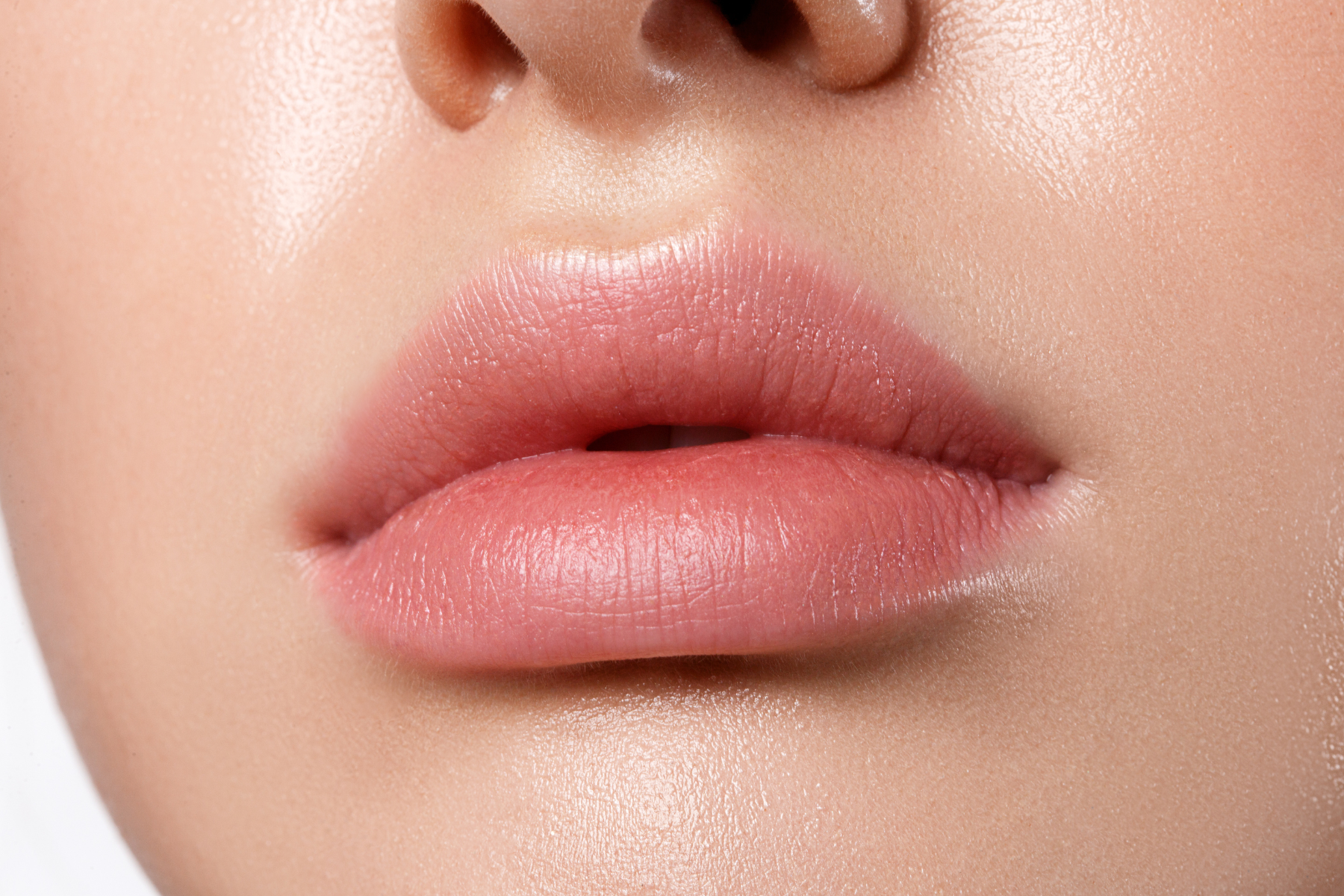
Ignoring proper aftercare can lead to unnecessary swelling, bruising, and even affect the final shape of your lips. To help you protect your investment and achieve the beautiful, natural-looking results you desire, this article will outline the most important things to avoid after a lip injection treatment. By following these guidelines, you’ll ensure a smooth recovery and a stunning outcome.
The First 24-48 Hours: The Critical Aftercare Window
The initial 24 to 48 hours following your lip injections are the most critical for proper healing. During this time, your lips are delicate, and the filler is still settling. A few simple precautions can make a world of difference.
1. Avoid Touching, Massaging, or Picking Your Lips
It’s tempting to touch your newly plumped lips, but this is one of the most important things to avoid. The filler needs time to integrate with your lip tissue. Rubbing or massaging the area can displace the filler, leading to an uneven or lumpy appearance. Touching the injection sites can also introduce bacteria, increasing the risk of infection.
Data-backed tip: The American Academy of Dermatology Association (AAD) recommends leaving the treated area alone for at least 24 hours to ensure the best results.
2. Steer Clear of Strenuous Exercise
While staying active is usually a good thing, a high-intensity workout is a bad idea immediately after lip fillers. Strenuous exercise increases your heart rate and blood flow, which can exacerbate swelling and bruising. The increased pressure from intense physical activity can also potentially shift the filler.
Expert advice: Plan to take it easy for at least 24-48 hours. A gentle walk is fine, but hold off on hitting the gym, running, or engaging in any heavy lifting.
3. Stay Away from Extreme Heat
Heat exposure can increase swelling and blood flow, which are the last things you want right after an injection. This includes:
- Saunas, steam rooms, and hot tubs.
- Hot showers or baths.
- Lying in direct sunlight or using tanning beds.
Practical tip: Stick to lukewarm showers and avoid direct sun exposure for at least a week to allow the swelling to subside naturally.
4. Don’t Drink Alcohol
Alcohol is a vasodilator, meaning it widens your blood vessels. This can increase swelling and bruising, and also acts as a blood thinner, which can worsen bleeding at the injection sites.
Recommendation: It’s best to avoid alcohol for at least 24 hours before and after your lip filler appointment.
The First Few Weeks: Long-Term Considerations
While the initial aftercare period is the most important, there are still some things to keep in mind for the first week or two to ensure a perfect and lasting result.
5. Avoid Certain Medications and Supplements
Some medications and supplements can thin the blood, increasing the risk of bruising and swelling.
- Avoid: Aspirin, ibuprofen (Advil, Motrin), naproxen (Aleve).
- Discuss with your doctor: Fish oil, vitamin E, St. John’s Wort, and certain herbal supplements.
If you take any of these regularly, be sure to inform your provider during your consultation. They may advise you to stop taking them a few days before your appointment. Tylenol (acetaminophen) is generally safe for managing any post-procedure discomfort.
6. Say No to Salty and Spicy Foods
Salty foods can cause water retention, which can worsen swelling. Spicy foods can irritate the lips and cause a flushed reaction, increasing blood flow and swelling.
Simple solution: Stick to a bland, low-sodium diet for the first few days. Focus on foods that are easy to eat and don’t require too much chewing.
7. Refrain from Using Straws or Smoking
The act of pursing your lips to use a straw or take a puff from a cigarette can put pressure on the newly injected filler. This can not only displace the product but can also lead to the formation of fine lines around the mouth over time. Smoking, in particular, is detrimental to skin health and healing due to its impact on blood flow.
Best practice: Avoid smoking and using straws for at least a few days.
8. Postpone Lip Makeup Application
For the first 24 hours, it’s best to keep your lips clean and free of makeup. Applying lipstick or lip gloss can introduce bacteria to the injection sites, increasing the risk of infection.
Wait time: Give your lips a full day to heal before applying any products. When you do start using makeup again, ensure your brushes and applicators are clean.
9. Skip Facials and Other Skincare Treatments
Facials, chemical peels, and other aggressive skincare treatments can irritate the treated area and are not recommended in the days following your lip injections. The pressure, heat, and active ingredients in these treatments can negatively impact your results.
Guideline: Wait at least two weeks before scheduling any further facial treatments.
10. Avoid Flying if Possible
Air travel, especially long flights, can put you at a higher risk of increased swelling. The changes in cabin pressure can cause fluid retention and make your recovery a bit more uncomfortable.
Final consideration: If possible, schedule your lip injection treatment at a time when you are not planning on flying for at least a week.
Conclusion
A beautiful, symmetrical, and natural-looking lip enhancement is a combination of a skilled injector and a committed patient. While the procedure itself is relatively quick and simple, the aftercare is what truly solidifies your results. By avoiding these ten key activities, you will minimize side effects, promote faster healing, and protect your new pout. Always remember to follow the specific instructions provided by your practitioner and don’t hesitate to contact them if you have any questions or concerns during your recovery.