The journey of pregnancy is often described as a miracle, a nine-month period of profound transformation for a woman’s body, mind, and spirit. While the physical changes are undeniable, the most extraordinary aspect of this journey is the invisible, yet deeply felt, bond that forms between a mother and her baby long before birth. Inside the protective sanctuary of the womb, a silent, intimate dialogue takes place—a symphony of senses, hormones, and emotions that lays the foundation for a lifelong connection.
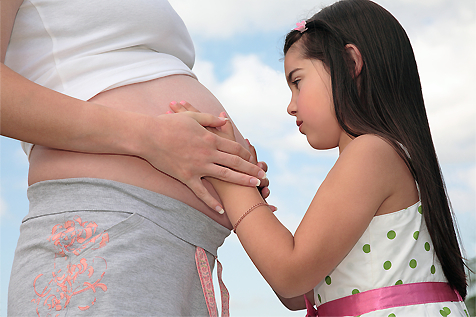
This article delves into the fascinating science and emotional reality of the mother-baby bond in the womb. We’ll explore the various ways this connection is forged, from the baby’s ability to hear its mother’s voice to the physiological and psychological ties that link them. Understanding this inner bond is not only a source of wonder but also a powerful tool for expectant mothers to nurture their relationship with their child from the very beginning.
A Symphony of Senses: How Baby and Mother Communicate
Long before the first cuddle, a baby in the womb is an active participant in its environment, and that environment is inextricably linked to the mother. A baby’s senses begin to develop remarkably early, creating a sophisticated communication network.
1. The Sound of Connection: Hearing the Mother’s Voice and Heartbeat
The womb is not a silent place. It’s filled with the rhythmic sounds of the mother’s body—her heartbeat, the gurgling of her stomach, and the whoosh of blood circulating. A baby’s ears are fully formed and functional by around 24 weeks of gestation. At this point, the most comforting sound is the rhythmic thumping of its mother’s heart, a sound it associates with safety and life. Research has shown that newborns can recognize their mother’s voice and will even show a preference for it over a stranger’s voice. They also respond to music and can be soothed by familiar melodies they heard in the womb. This auditory link is a primary way the bond is established.
- Actionable Tip: Talk to your baby. Read aloud, sing songs, or simply narrate your day. Your voice is a source of comfort and familiarity that your baby is already absorbing.
2. Taste and Smell: A Shared Culinary Experience
A baby’s sense of taste and smell is also surprisingly developed in utero. The amniotic fluid that a baby swallows is influenced by the foods and spices a mother consumes. This means that a baby is exposed to a wide range of flavors, from sweet to savory. Studies have found that babies often show a preference for flavors they were exposed to in the womb, which can influence their food preferences after birth. This shared culinary experience creates a subtle but powerful connection.
- Actionable Tip: Eat a healthy and varied diet. Not only is it good for your health, but it also introduces your baby to a world of flavors that may make them more adventurous eaters later on.
The Hormonal Bridge: A Two-Way Street of Emotion
The bond between mother and baby is not just sensory; it’s also deeply physiological. Hormones act as a chemical bridge, allowing a mother’s emotional state to be communicated to her baby.
1. The Power of Oxytocin: The “Love Hormone”
When a mother feels a surge of joy, love, or even stress, her body releases a cascade of hormones. One of the most important of these is oxytocin, often called the “love hormone” or “bonding hormone.” While oxytocin levels spike during and after birth to facilitate bonding and breastfeeding, the hormone is also present during pregnancy. When a mother is feeling relaxed and happy, oxytocin is released, and it can cross the placental barrier to the baby, creating a sense of well-being for both.
2. Stress and Cortisol
Conversely, when a mother is experiencing chronic stress, her body releases cortisol. High levels of cortisol can also cross the placenta, potentially affecting the baby’s development and long-term health. This hormonal link underscores the importance of a mother’s mental and emotional health during pregnancy, as it directly impacts her baby.
- Actionable Tip: Practice stress-reducing activities like meditation, prenatal yoga, or spending time in nature. Nurturing your own mental health is one of the best ways to nurture your baby.
The Psychological Connection: Intuition and Anticipation
Beyond the physical and hormonal connections, a profound psychological bond develops. This is a bond of intuition, anticipation, and an almost mystical understanding between two people.
- The Mother’s Intuition: Many mothers describe a powerful sense of intuition about their baby’s needs and well-being even before birth. They may feel a gut instinct about their baby’s movements, or feel a sense of unease when something is wrong. This is not just a coincidence; it is part of the deep connection being forged.
- The Power of Touch: As the baby grows, a mother can feel its kicks, rolls, and movements. Touching the belly, and having a partner touch the belly, is a powerful way to engage with the baby. Babies often respond to a gentle touch on the belly with a kick or a movement, creating a beautiful and tangible form of interaction.
- A Growing Identity: A mother’s constant anticipation of her baby’s arrival is a form of psychological bonding. She may spend hours daydreaming, imagining what her baby will look like, and preparing for its arrival. This mental preparation is an essential part of the bonding process, helping her to form a strong emotional connection long before she holds her baby in her arms.
Conclusion
The inner bond of mother and baby in the womb is a testament to the incredible interconnectedness of life. It is a relationship built on a foundation of shared senses, a hormonal dialogue, and a powerful psychological connection. By understanding and actively participating in this profound journey—by talking to your baby, eating a healthy diet, managing your stress, and connecting with your body—you are not just preparing for motherhood; you are building a beautiful, unbreakable bond that will last a lifetime.
