
The foundation of a healthy life is often laid in the kitchen during the early years of childhood. As parents and caregivers, providing nutritious food is one of the most significant investments we can make in a child’s future. Healthy eating in childhood is not just about preventing illness; it is about providing the essential building blocks for brain development, physical growth, and emotional stability. In an era dominated by convenient, ultra-processed snacks, navigating the world of pediatric nutrition requires a thoughtful and informed approach.
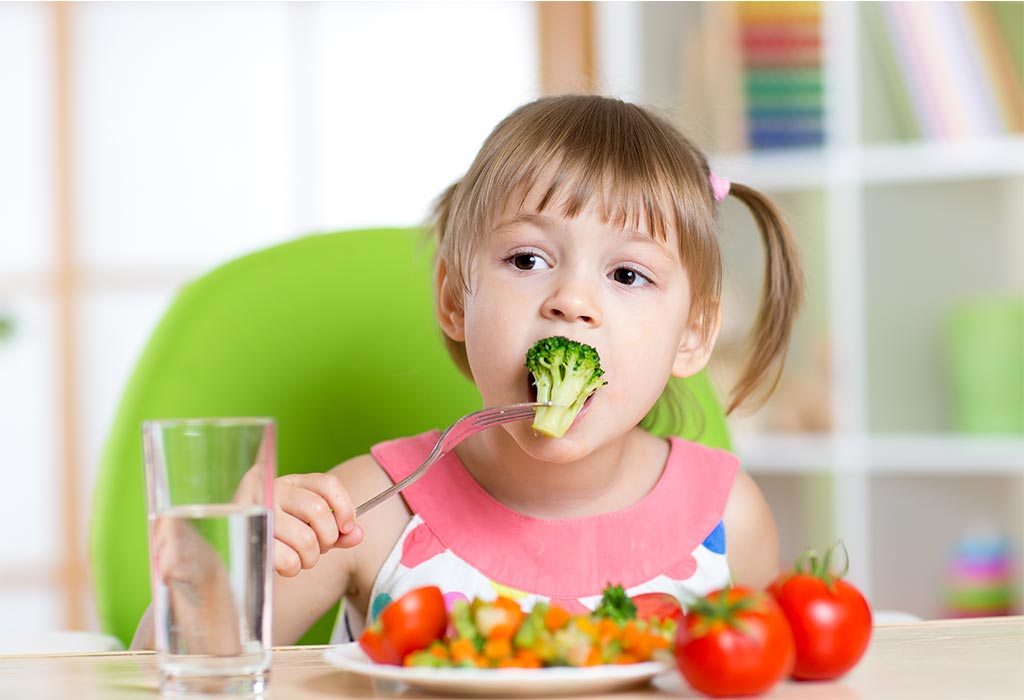
The Biological Blueprint: Why Nutrition Matters for Kids
Children are not merely small adults. Their bodies are in a constant state of flux, building bone density, developing complex neural pathways, and regulating hormones at a rapid pace. This high metabolic activity requires a nutrient density that often exceeds that of an adult relative to their body weight.
For instance, the brain undergoes its most significant growth spurt before the age of five. During this window, healthy fats—specifically Omega-3 fatty acids—are crucial for cognitive function and eyesight. Similarly, minerals like iron are vital for transporting oxygen in the blood, which directly impacts a child’s energy levels and ability to concentrate in school. When children consume a diet high in empty calories and low in vitamins, they may face developmental delays, frequent infections, and behavioral challenges.
The Power of Proteins and Growth
Protein is frequently referred to as the “building block” of the body, and for good reason. It is essential for the repair and growth of tissues, including muscles and organs. For children, incorporating high-quality protein sources into every meal is vital.
However, many parents fall into the trap of relying solely on red meat. While beef and lamb are excellent sources of iron and protein, a diverse protein profile is healthier. Lean poultry, fish (especially fatty fish like salmon), eggs, and dairy products provide a wide range of amino acids. For families following a plant-based or flexitarian diet, legumes, lentils, chickpeas, and quinoa are outstanding alternatives. These plant-based proteins also offer the added benefit of dietary fiber, which aids in digestion and keeps children feeling full and satisfied.
Brain Food: The Role of Healthy Fats and Complex Carbs
In previous decades, dietary fat was often vilified. Modern nutritional science, however, clarifies that “good” fats are indispensable for children. The brain is nearly 60% fat, making the intake of unsaturated fats a priority. Avocados, nuts (given there are no allergies), seeds, and olive oil should be staples in a child’s diet. These fats support membrane health and the absorption of fat-soluble vitamins like A, D, E, and K.
Carbohydrates are equally important as they serve as the primary fuel source for an active child. The key is to choose complex carbohydrates over simple sugars. Whole grains such as oats, brown rice, and whole-wheat bread release energy slowly into the bloodstream. This prevents the “sugar spikes” and subsequent “crashes” that often lead to irritability and fatigue. Furthermore, whole grains are rich in B vitamins, which are essential for converting food into usable energy.
The Rainbow on the Plate: Vitamins and Minerals
One of the simplest ways to ensure a child receives a full spectrum of micronutrients is to encourage “eating the rainbow.” Different colors in fruits and vegetables represent different phytonutrients and antioxidants.
- Orange and Yellow: Carrots, sweet potatoes, and oranges are high in Vitamin A and C, supporting vision and immune health.
- Green: Spinach, broccoli, and peas are packed with Vitamin K, folic acid, and calcium for bone strength.
- Red and Blue: Berries and tomatoes contain powerful antioxidants that protect cells from damage and support heart health.
The challenge often lies in a child’s natural pickiness. Professional nutritionists suggest that it can take up to fifteen exposures to a new food before a child accepts it. Patience, creative presentation, and involving children in the cooking process are proven strategies to increase the intake of these colorful, health-boosting foods.
Managing the Modern Environment: Sugar and Processing
The greatest hurdle to healthy eating for children today is the ubiquity of refined sugar and highly processed foods. Excessive sugar consumption is linked not only to dental cavities and childhood obesity but also to long-term metabolic issues such as Type 2 diabetes.
Hidden sugars are often found in products marketed as “healthy,” such as flavored yogurts, fruit juices, and granola bars. Replacing sugary drinks with water or plain milk is perhaps the single most effective change a parent can make. Instead of viewing healthy food as a restriction, it is more effective to frame it as “crowding out” the bad with the good. When a child’s diet is filled with nutrient-dense foods, there is naturally less room for the processed snacks that offer little nutritional value.
Conclusion: Establishing Lifelong Habits
Feeding a child healthy food is about more than just physical health; it is about establishing a positive relationship with food that will last a lifetime. When children are taught to appreciate the taste of fresh ingredients and understand how food makes their bodies feel, they are empowered to make better choices as they grow into independence.
Consistency is key. While an occasional treat is a normal part of a balanced life, the daily standard should be one of quality and variety. By prioritizing whole foods, lean proteins, and a vibrant array of vegetables, we provide our children with the physical and mental tools they need to explore the world and reach their full potential.
Would you like me to create a weekly meal plan template specifically designed for school-aged children?