
In the vast and often confusing world of diet and fitness, the concept of weight management is frequently associated with sacrifice and hunger. For decades, the dominant narrative has been about cutting calories and enduring a feeling of constant deprivation. This “less is more” approach, while seemingly logical, often leads to a frustrating cycle of short-term success followed by a swift rebound. The truth is, effective and sustainable weight management has very little to do with starvation and everything to do with satiety—the feeling of fullness and satisfaction after eating. By shifting our focus from restriction to nourishment, we can unlock a more effective and enjoyable path to a healthy weight.
This article will explore the science of satiety and its critical role in weight management. We’ll delve into the key components of a diet that promotes fullness, provide data-backed insights on why this approach works, and offer actionable strategies for building meals that satisfy both your body and your mind. The goal is to show that a successful journey to a healthier weight is about eating smarter, not eating less.
The Science of Satiety: A Deeper Look
Satiety is a complex physiological process that involves a symphony of hormones, nutrients, and brain signals. It’s not just about a full stomach; it’s about a satisfied body.
- The Role of Hormones: When you eat, your body releases a cascade of hormones that signal to your brain that you are full. The most important of these are leptin and cholecystokinin (CCK). Leptin is a long-term signal that regulates energy balance and tells your brain when you have enough energy stored. CCK is a short-term signal released after a meal that slows down digestion and promotes a feeling of fullness. A diet rich in satisfying nutrients helps your body release these hormones effectively.
- Nutrient Density: The number of calories in a food doesn’t tell the whole story. What matters is its nutrient density—the amount of vitamins, minerals, and other beneficial compounds it contains. A highly processed cookie might have the same number of calories as an apple, but the apple is packed with fiber and water that will make you feel full, while the cookie will leave you craving more.
- The Brain-Gut Connection: Your gut and your brain are in constant communication. A healthy gut microbiome, supported by a diet of whole foods, can send powerful satiety signals to your brain, helping to regulate your appetite and reduce cravings.
The Key Components of a Satiating Diet
Building meals that promote satiety is a simple and effective strategy for weight management. Focus on these three key components:
1. Protein: The King of Satiety
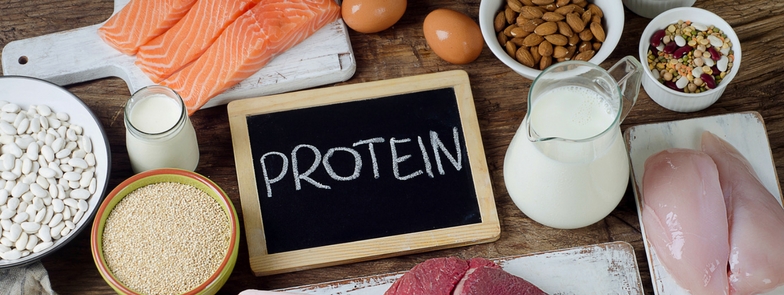
Protein is the most satiating macronutrient. It takes longer to digest than carbohydrates or fats, keeping you feeling full for a longer period.
- Data Highlight: A study published in the Journal of the American Dietetic Association found that a high-protein breakfast significantly reduced hunger and snacking later in the day compared to a low-protein breakfast.
- Examples: Incorporate lean protein sources into every meal. This could include eggs, Greek yogurt, chicken breast, fish, or legumes. A breakfast of scrambled eggs and avocado, for example, will keep you full and focused until lunchtime, preventing the need for a mid-morning snack.
2. Fiber: The Gut’s Best Friend
Fiber-rich foods are a powerful tool for promoting satiety. Fiber adds bulk to your meals and slows down the digestion of other nutrients.
- Two Types of Fiber: There are two types of fiber: soluble and insoluble. Soluble fiber (found in oats, apples, and beans) forms a gel in your stomach, which slows down digestion and helps you feel full. Insoluble fiber (found in leafy greens and whole grains) adds bulk, which helps promote healthy bowel movements and a feeling of fullness.
- Examples: Load your plate with vegetables, fruits, whole grains, and legumes. A large salad with a variety of vegetables and a handful of beans is a low-calorie, high-satiety meal that will keep you full for hours.
3. Water: The Underrated Satiety Agent
Water is often overlooked in weight management, but it plays a crucial role in promoting a feeling of fullness.
- Fill Up on H2O: Drinking a glass of water before a meal can help you feel full and can lead to a lower calorie intake during the meal.
- The Confusion Signal: Sometimes your brain can confuse the feeling of thirst with the feeling of hunger. Staying hydrated throughout the day can prevent these false hunger signals.
Practical Strategies for a Satiating Diet
Putting these principles into practice doesn’t have to be complicated.
- Build Your Plate: Use a simple plate model: half your plate should be non-starchy vegetables, a quarter should be lean protein, and the remaining quarter should be a complex carbohydrate like a whole grain or sweet potato.
- Snack with Intention: When you feel the urge to snack, choose a nutrient-dense option that will actually satisfy you. An apple with a tablespoon of peanut butter is far more satiating than a handful of crackers.
- Chew Your Food: The simple act of chewing helps to stimulate the release of satiety hormones. Take your time to eat and savor each bite.
Conclusion
Sustainable weight management is not about enduring constant hunger; it’s about building a lifestyle that keeps you full and satisfied. By focusing on nutrient-dense, high-protein, and high-fiber foods, you can work with your body’s natural signals to regulate your appetite and reduce cravings. This approach replaces the frustration of deprivation with the joy of nourishment. It proves that you can eat to your heart’s content, provided you are eating the right things.