
In the volatile and fast-paced world of cryptocurrency, choosing the right platform to buy, sell. And hold your digital assets is a critical decision. For millions of traders globally, that platform is Binance. As the world’s largest cryptocurrency exchange by trading volume, Binance’s name is synonymous with the crypto market itself. However, with great size comes great scrutiny. And a question that frequently arises for both new and experienced users is: “Is Binance safe?”
cryptocurrency exchange is binance safe
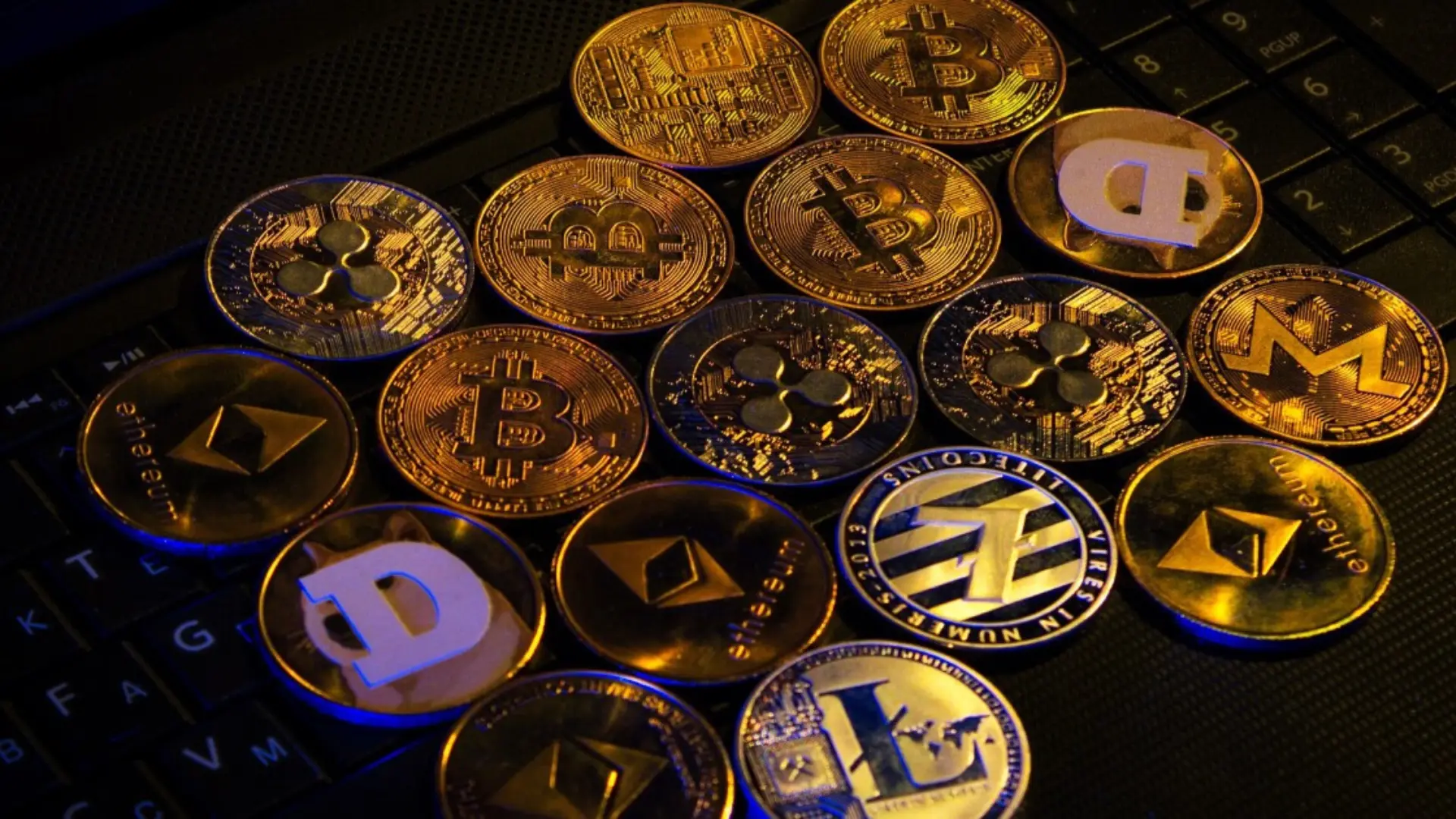
This article will provide a comprehensive and balanced look at Binance’s security measures. Its regulatory challenges, and the best practices users should adopt to protect their funds. Understanding these factors is essential for anyone considering using the platform. As while exchanges have their own security protocols. The ultimate safety of your crypto often comes down to individual user responsibility. Buying and promoting cryptocurrencies can be very demanding so it is essential to pick a change you can trust.
The Pillars of Binance’s Security: Protecting the Platform
Binance has invested heavily in a multi-layered security infrastructure designed to protect its massive ecosystem from a variety of threats, from sophisticated hacks to social engineering attacks.
1. Secure Asset Fund for Users (SAFU)
One of Binance’s most significant security features is the Secure Asset Fund for Users (SAFU). Established in 2018, this is an emergency insurance fund created to protect users in the event of a major security breach. Binance allocates a percentage of its trading fees into this fund, which is stored in a separate cold wallet. In the infamous 2019 hack where Binance lost over $40 million in Bitcoin, the SAFU fund was used to fully reimburse all affected users, demonstrating its effectiveness and reinforcing user trust. This proactive measure provides a layer of protection that many other exchanges do not offer.
2. Advanced Technical Security
On a technical level, Binance employs a range of sophisticated measures to protect user assets and data. This includes:
- Cold Storage: The vast majority of user funds are held in offline “cold wallets,” which are not connected to the internet. This makes them virtually immune to online hacking attempts. A small portion of funds is kept in “hot wallets” for daily operations and withdrawals.
- Regular Audits and Penetration Testing: Binance’s security team continuously performs internal audits and works with external security firms to conduct penetration testing. This involves simulating attacks to identify and patch vulnerabilities before a malicious actor can exploit them.
- Real-time Monitoring: The platform uses advanced monitoring systems to detect and block suspicious activity, such as unusual login attempts or large-scale withdrawal requests, in real-time.
3. User-Facing Security Features
Beyond its internal infrastructure, Binance offers a suite of tools for users to enhance their own account security. These are not optional but are crucial for protecting your funds.
- Two-Factor Authentication (2FA): Binance strongly encourages and often requires 2FA for logins and withdrawals. This includes using Google Authenticator, SMS verification, or a physical security key like YubiKey.
- Anti-Phishing Code: Users can set a unique anti-phishing code that will appear in every legitimate email from Binance. If an email you receive does not contain this code, you know it is a phishing attempt and can avoid clicking on any malicious links.
- Address Whitelisting: This feature allows users to restrict withdrawals to a pre-approved list of cryptocurrency addresses, preventing hackers from transferring funds to an external wallet even if they gain access to your account.
Regulatory Compliance and Global Challenges
Binance’s safety isn’t just a technical matter; it’s also tied to its complex relationship with global regulators. As a centralized exchange operating in dozens of countries, Binance faces constant regulatory scrutiny.
- Regulatory Hurdles: Over the past few years, Binance has faced regulatory warnings and restrictions in several countries, including the UK, Germany, and Canada. These issues often stem from a lack of clear crypto regulations and concerns over consumer protection and anti-money laundering (AML) protocols.
- Binance’s Response: In response, Binance has made significant efforts to increase its compliance. It has hired former regulators, enhanced its know-your-customer (KYC) procedures, and is actively seeking licenses in various jurisdictions. The platform has also scaled back its services in certain regions to align with local laws. This ongoing effort to work with regulators, while challenging, is a positive sign for its long-term stability and safety.
Your Role in Securing Your Funds: The User’s Responsibility
Ultimately, the most sophisticated security system in the world can be undone by poor user habits. While Binance takes extensive measures, the final layer of defense is you.
Best Practices for Users:
- Enable and Use 2FA: This is the single most important step you can take. A password alone is not enough.
- Be Wary of Phishing Scams: Always double-check the URL to ensure you are on the official Binance website. Never share your password or 2FA codes, and use your anti-phishing code to verify emails. Phishing is one of the most common ways hackers gain access to accounts.
- Use a Strong, Unique Password: Use a password manager to create and store a complex password that is unique to your Binance account. Do not reuse passwords from other sites.
- Use Address Whitelisting: If you frequently withdraw funds to the same wallet, enabling this feature is a simple yet powerful way to prevent unauthorized transfers.
- Don’t Keep Large Sums on the Exchange: Exchanges are for trading. For long-term holding, it is always recommended to transfer your cryptocurrency to a private hardware wallet (like Ledger or Trezor) where you have full control over your private keys. This is often referred to as “self-custody” and is the safest way to store crypto.
Conclusion: So, Is Binance Safe?
Binance has proven to be one of the most secure and resilient cryptocurrency exchanges in the market. Its robust security infrastructure, including the SAFU fund and advanced technical measures, provides a strong defense against cyber threats. However, it is not a zero-risk environment. The question of “is it safe?” is as much about the platform’s measures as it is about a user’s personal security hygiene.
For the average user, Binance is a highly secure platform for trading and short-term storage of cryptocurrencies, especially when all user-facing security features are enabled. For those with substantial holdings, the safest approach remains to use an exchange for transactions and a private hardware wallet for long-term storage. By combining Binance’s institutional-grade security with your own vigilant best practices, you can navigate the crypto world with a greater degree of confidence and control.