The Aftermath: Common Types of Pain After a Car Accident and What They Mean
A car accident, regardless of its severity, is a jarring and traumatic experience for both the body and mind. In the immediate moments after impact, a surge of adrenaline can mask pain, making it difficult to assess the extent of your injuries. However, as the shock wears off, the physical reality of the incident begins to set in. Pain can emerge hours or even days later, manifesting in a variety of ways that signal underlying injuries.

This article will serve as a comprehensive guide to the most common types of pain experienced after a car accident. We’ll break down the symptoms, explain what they could signify, and emphasize the critical importance of seeking immediate medical attention. Understanding these pain signals is the first step toward a proper diagnosis and a successful recovery.
1. Neck and Shoulder Pain: The Classic Whiplash
One of the most frequently reported types of pain … Read more
The Unspoken Truth: 5 Powerful Reasons Why Couples Need Marriage Therapy
Marriage is a beautiful, complex journey, but it is not a fairy tale. It is a partnership that requires continuous effort, communication, and a shared commitment to growth. Over time, even the strongest relationships can face challenges—from minor disagreements that escalate to major conflicts, to unspoken resentments that build a wall between two people. While many couples believe they should be able to solve their problems on their own, seeking professional help is a sign of strength, not weakness.

This article will delve into the powerful reasons why couples need marriage therapy. We’ll explore how therapy can be a proactive tool for building a healthier relationship, a safe space for addressing deep-seated issues, and a lifeline for couples on the brink of separation. Our goal is to demystify marriage counseling and highlight its profound benefits for long-term relational health and happiness.
1. To Improve Communication and Active Listening
One … Read more
The Unspoken Safety Net: 5 Reasons Why You Need Private Disability Insurance
For most of us, our ability to earn an income is our single most valuable financial asset. We protect our homes with insurance, our cars with insurance, and our health with insurance. Yet, many people overlook a crucial piece of this financial puzzle: protecting the very income that pays for all of it. This is where private disability insurance comes in. It’s a powerful, yet often misunderstood, form of coverage designed to replace a portion of your income if you become unable to work due to an injury or illness.

This article will delve into the critical reasons why private disability insurance is an essential part of a comprehensive financial plan. We’ll break down the common misconceptions, highlight the gaps in other forms of coverage, and provide clear, compelling arguments for why you can’t afford to be without this vital safety net.
1. Your Savings Are Not a Sustainable Safety
… Read moreWhat Is Healthcare Reputation Management? The Key to Trust and Growth in the Digital Age
In today’s digital-first world, a healthcare provider’s reputation is built not just on the quality of care they provide, but also on what patients are saying about them online. From patient reviews on Google and Healthgrades to social media comments and forum discussions, a healthcare organization’s online presence has a direct impact on its ability to attract and retain patients. This is the essence of healthcare reputation management: the proactive and strategic effort to monitor, influence, and protect a brand’s public perception, both online and offline.
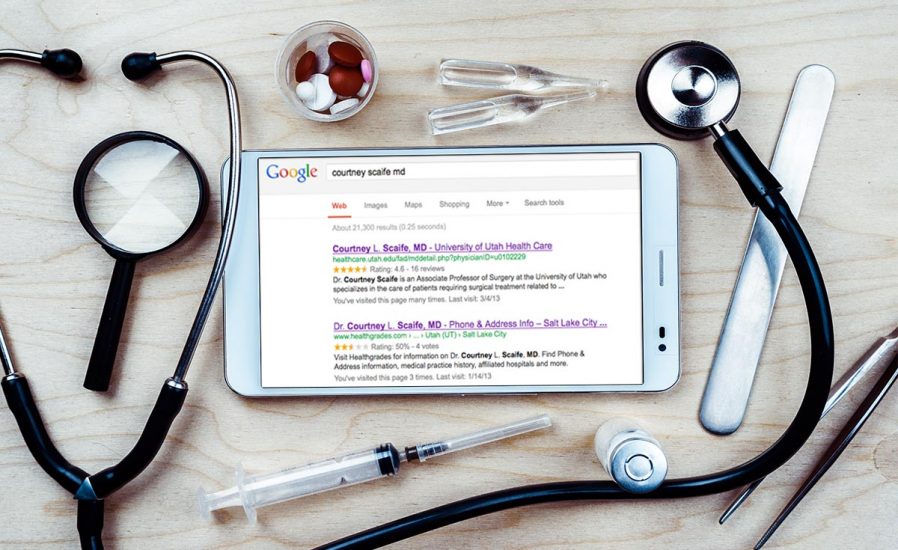
This article will serve as a comprehensive guide to understanding what healthcare reputation management entails. We’ll explore why it’s more critical than ever, break down the core components of an effective strategy, and provide actionable insights for hospitals, clinics, and individual practitioners looking to build a resilient and positive public image.
The Shifting Landscape: Why Reputation Management is Now Essential
For decades, a … Read more
Exercise and ALS: A Guide to Maintaining Function, Mobility, and Quality of Life
Amyotrophic Lateral Sclerosis (ALS) is a progressive neurodegenerative disease that affects nerve cells in the brain and spinal cord, leading to loss of muscle control. As the disease advances, muscle weakness and atrophy can make daily activities challenging and often seem to render exercise impossible. However, a growing body of research and clinical experience shows that exercise, when done correctly and safely, is not only possible but also a vital component of managing ALS.

This article provides a comprehensive guide to exercise for ALS patients. We’ll explore the critical role of physical activity in improving quality of life, maintaining function, and managing symptoms. We will also outline safe, effective exercise tips, and discuss the importance of a personalized approach. The goal is to provide hope and practical strategies, emphasizing that movement, even in its most modified forms, remains a powerful tool for well-being.